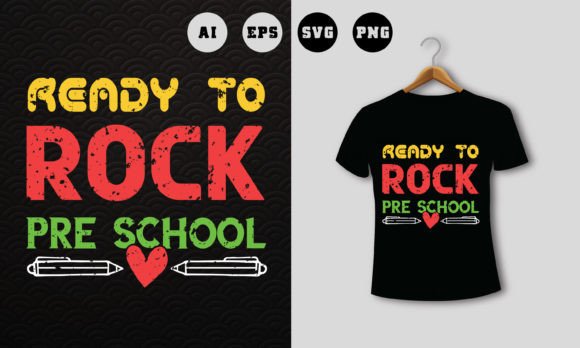
Ready to Rock Pre School: A Creative and Practical Choice for Early Education
Ready to Rock Pre School is a concept that blends fun with learning, offering a unique approach to early childhood education. Designed for young children, this program emphasizes creativity, engagement, and foundational skills development. For parents and educators looking for an innovative way to introduce preschoolers to structured learning, Ready to Rock Pre School presents a compelling option.
The program's appeal lies in its ability to make learning enjoyable while maintaining educational value. With a focus on interactive activities and creative play, it helps children develop essential social, cognitive, and motor skills. This makes it an attractive choice for those seeking a balanced approach to early education.
Why Consider Ready to Rock Pre School?
There are several reasons why someone might be interested in Ready to Rock Pre School. One of the primary attractions is its emphasis on creativity and self-expression. The program encourages children to explore their imagination through art, music, and storytelling, which can foster a lifelong love of learning.
Another factor is the program's flexibility. Ready to Rock Pre School can be adapted to suit different learning styles and environments, making it suitable for both traditional classroom settings and home-based learning. This adaptability is particularly beneficial for parents who want to supplement their child's education or create a personalized learning experience.
Additionally, the program often incorporates technology and digital tools to enhance the learning process. This can be especially appealing to tech-savvy families who want to integrate modern resources into their child's education.
Benefits and Tradeoffs of Ready to Rock Pre School
One of the key benefits of Ready to Rock Pre School is its ability to engage children in a way that traditional methods may not. By using interactive and creative approaches, it can help maintain a child's attention and motivation, leading to better learning outcomes.
Another advantage is the potential for social development. Through group activities and collaborative projects, children learn to work together, communicate effectively, and build relationships with peers. These social skills are crucial for future academic and personal success.
However, there are also tradeoffs to consider. While the program's focus on creativity is a strength, it may not provide the same level of structured academic instruction as more traditional preschool programs. Parents should evaluate whether this approach aligns with their child's learning needs and long-term goals.
Furthermore, the effectiveness of Ready to Rock Pre School can depend on the quality of the instructors and the resources available. A well-trained educator who understands the program's philosophy can make a significant difference in the child's experience, while a less experienced teacher may struggle to implement the curriculum effectively.
Situations Where Ready to Rock Pre School May Be a Strong Fit
Ready to Rock Pre School may be an excellent fit for families who prioritize creativity and hands-on learning. If a child thrives in an environment that encourages exploration and expression, this program could be an ideal choice. It is also well-suited for parents who want to incorporate arts and music into their child's daily routine.
For educators looking to diversify their teaching methods, Ready to Rock Pre School offers a fresh perspective on early childhood education. It can serve as a valuable supplement to existing curricula, providing new ways to engage students and reinforce key concepts.
In addition, the program may be beneficial for children who have difficulty focusing in more traditional settings. The dynamic and interactive nature of Ready to Rock Pre School can help these learners stay engaged and motivated, leading to improved participation and progress.
Situations Where Alternatives May Be Worth Considering
While Ready to Rock Pre School has many strengths, there are situations where alternative options may be more appropriate. For example, if a family is looking for a program that places a strong emphasis on academic preparation, a more structured curriculum may be a better fit. Traditional preschools often provide a more rigorous foundation in reading, writing, and math, which can be important for school readiness.
Parents who prefer a more standardized approach to education may also find that other programs align more closely with their expectations. In such cases, evaluating the specific goals and values of the family can help determine the most suitable option.
Additionally, the availability of qualified instructors and resources can impact the success of Ready to Rock Pre School. In areas where experienced educators or materials are limited, the program may not deliver the same level of quality as in regions with more support and infrastructure.
Practical Decision-Making Insights
When considering Ready to Rock Pre School, it is important to assess the child's individual needs and learning style. Observing how a child responds to different types of activities can provide valuable insight into whether this program will be effective for them.
Parents should also research the program's reputation and seek recommendations from other families. Reading reviews and speaking with current participants can help identify potential challenges and successes.
Finally, it is essential to consider the long-term goals for the child's education. While Ready to Rock Pre School offers a unique and engaging approach, it should be viewed as one of many possible options. Evaluating how well it aligns with broader educational aspirations can help ensure that the decision is well-informed and meaningful.