Sixth Grade: A Guide to Navigating the Transition
Sixth grade marks a significant milestone in a child's educational journey. It is often the first year of middle school, where students begin to experience more independence and responsibility. This transition can be both exciting and challenging for young learners, as they adjust to new routines, more complex academic subjects, and increased social interactions. Understanding what sixth grade entails and how to support students during this time can make a world of difference in their overall experience.
For parents and educators, recognizing the unique needs of sixth graders is essential. This age group typically ranges from 11 to 12 years old, and they are at a critical stage of development. They are beginning to think more abstractly, develop a stronger sense of self, and form deeper relationships with peers. These changes can lead to a variety of challenges, including difficulty managing time, balancing schoolwork with extracurricular activities, and navigating social dynamics.
One of the primary goals for sixth graders is to build foundational skills that will support them throughout their academic careers. Subjects like math, science, and language arts become more rigorous, requiring students to develop better study habits and organizational strategies. Additionally, students may encounter new types of assignments, such as research projects and collaborative learning activities, which can be overwhelming without proper guidance.
Parents and teachers play a crucial role in helping students navigate these challenges. Providing consistent support, setting clear expectations, and encouraging open communication can foster a positive learning environment. It is also important to recognize and celebrate small achievements, as this can boost a student's confidence and motivation.
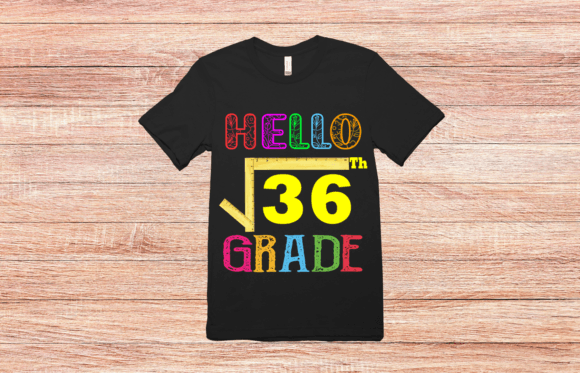
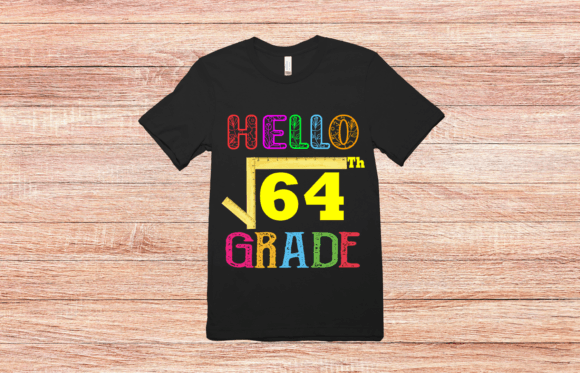
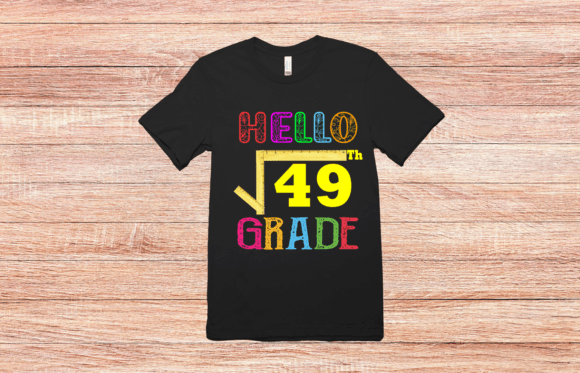
For those looking for creative ways to engage sixth graders, digital resources can be incredibly useful. One such resource is the Sixth Grade back-to-school SVG file, which offers a variety of formats including SVG, PNG, EPS, and DXF. These files are compatible with popular design software and cutting machines, making them ideal for a wide range of projects. Whether you're creating custom T-shirts, mugs, or wall decals, these digital files provide a versatile solution for personalizing items that can help students feel prepared and excited for the school year.
The versatility of these files allows for endless possibilities. For example, a teacher might use the SVG file to create classroom decorations that reflect the theme of sixth grade, while a parent could design a personalized backpack or water bottle for their child. The PNG file with a transparent background is perfect for printing on various surfaces, and the EPS and DXF files offer additional flexibility for those working with design software.
When using these digital files, it's important to consider the specific needs of the user. Educators may prioritize functionality and ease of use, while parents might focus on creativity and personalization. Regardless of the approach, the key is to ensure that the final product aligns with the intended purpose and meets the requirements of the project.
In addition to practical applications, these files can also serve as a fun way to engage students in the learning process. By involving them in the creation of school-related items, parents and teachers can encourage a sense of ownership and pride. This hands-on approach can make the transition to sixth grade more enjoyable and less intimidating.
Ultimately, the success of sixth grade depends on a combination of factors, including academic support, emotional guidance, and creative opportunities. By leveraging resources like the Sixth Grade digital files, educators and families can enhance the learning experience and help students thrive during this pivotal time. Whether through traditional methods or innovative tools, the goal remains the same: to empower students and set them on a path toward future success.
As students move through sixth grade, they will continue to grow and develop in ways that shape their academic and personal lives. By staying informed, supportive, and adaptable, parents and educators can provide the necessary tools and encouragement to help each child reach their full potential.